
Over 10,800 new homes approved by Vancouver City Council in 2022
Kenneth Chan | Urbanized • May 17, 2023
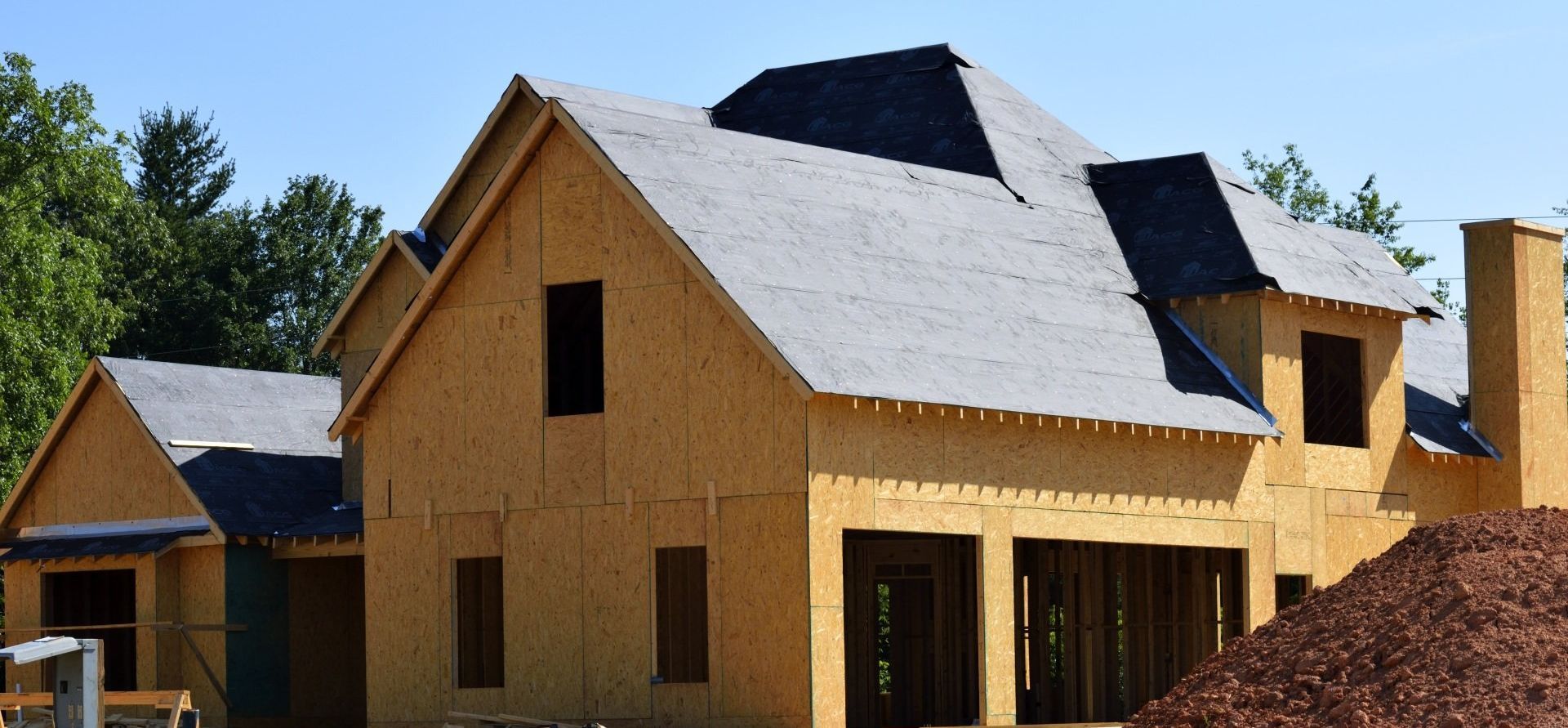
The final tally is in: 10,825 new housing units were approved by Vancouver City Council in 2022, marking a record for the second year in a row.
It is the highest total in recent decades and far exceeds the City of Vancouver’s current 10-year average and the targets of the 10-year Housing Vancouver strategy between 2018 and 2027.
Housing Vancouver aims to catalyze the approval of 72,000 units over its 10-year timeline or 7,200 each year. The figure for 2022 represents a 150% achievement above the annual target.
This is also up from a total of about 8,800 unit approvals in 2021, and 7,900 in 2020.
Housing Vancouver aims to catalyze the approval of 72,000 units over its 10-year timeline or 7,200 each year. The figure for 2022 represents a 150% achievement above the annual target.
This is also up from a total of about 8,800 unit approvals in 2021, and 7,900 in 2020.
According to the municipal government’s update today in a bulletin, this includes the approval of 4,260 new purpose-built market units — more than two times the annual target of 2,000 purpose-built market units under Housing Vancouver.
The number of condominium unit approvals was also strong, with 4,406 units of this tenure approved — 147% above the annual target of 3,000 units.
Laneway home approvals were solid, too, with City Council approving 435 units — above the annual target of 400.
Vancouver also reached and exceeded its annual goal of approving 1,200 social and supportive housing units, as 1,332 units were approved in 2022.
Only townhouse/coach houses fell behind, with 392 approved last year, representing an achievement of 65% of the annual goal of 600 units.
Laneway home approvals were solid, too, with City Council approving 435 units — above the annual target of 400.
Vancouver also reached and exceeded its annual goal of approving 1,200 social and supportive housing units, as 1,332 units were approved in 2022.
Only townhouse/coach houses fell behind, with 392 approved last year, representing an achievement of 65% of the annual goal of 600 units.
One of the single largest rezoning applications approved by City Council in 2022 was the June approval of the First Nations-owned and led 21-acre redevelopment of the Heather Lands into 2,600 homes, including significant condominium, rental housing, and social housing components.
As for where things stand in terms of total approvals for the 10-year Housing Vancouver strategy to date, 48,114 units have been approved since 2018, representing a progress rate of 67% towards the ultimate goal of 72,000.
This includes 73% (21,904 units) of the goal of 30,000 condominium units, 72% (2,874 units) of 4,000 laneway houses, 68% (8,148 units) of 12,000 social and supportive housing units, 64% (12,781 units) of 20,000 purpose-built rental housing units, and 40% (2,407 units) of 6,000 townhouses/coach houses.
“The City of Vancouver continues to lead the region in new housing approvals, particularly for new rental and social housing developments. These approvals will ensure residents with a wide range of incomes will have homes, including moderate-income families, seniors, and newcomers to our city,” said Theresa O’Donnell, Director of Planning and general manager of Planning, Urban Design, and Sustainability for the City, in a statement.
This includes 73% (21,904 units) of the goal of 30,000 condominium units, 72% (2,874 units) of 4,000 laneway houses, 68% (8,148 units) of 12,000 social and supportive housing units, 64% (12,781 units) of 20,000 purpose-built rental housing units, and 40% (2,407 units) of 6,000 townhouses/coach houses.
“The City of Vancouver continues to lead the region in new housing approvals, particularly for new rental and social housing developments. These approvals will ensure residents with a wide range of incomes will have homes, including moderate-income families, seniors, and newcomers to our city,” said Theresa O’Donnell, Director of Planning and general manager of Planning, Urban Design, and Sustainability for the City, in a statement.
“And while we’re pleased to exceed the targets, we must continue our work to ensure this much-needed housing is being built. More housing supply is needed across the region to keep up with steadily increasing demand, and the City is working hard to do our part.”
In 2024, if it is approved, new policies enabling multiplexes on single-family lots across Vancouver could go into effect, allowing as many as six units on a lot, which would boost laneway and townhouses/coach houses numbers for the remaining few years of the Housing Vancouver strategy.
Later this year, the provincial government is also expected to release the annual new supply quotas select municipal governments will be required to achieve, as a policy under its new Housing Supply Act.
The newly created BC Ministry of Housing is wielding a range of major measures — through significant funding and policy changes — to catalyze more housing, including working with municipal governments to simplify and expedite their permitting processes, overhauling single-family zoning to allow more units on a lot, and providing financing for below-market rental and middle-income rental housing.
In 2024, if it is approved, new policies enabling multiplexes on single-family lots across Vancouver could go into effect, allowing as many as six units on a lot, which would boost laneway and townhouses/coach houses numbers for the remaining few years of the Housing Vancouver strategy.
Later this year, the provincial government is also expected to release the annual new supply quotas select municipal governments will be required to achieve, as a policy under its new Housing Supply Act.
The newly created BC Ministry of Housing is wielding a range of major measures — through significant funding and policy changes — to catalyze more housing, including working with municipal governments to simplify and expedite their permitting processes, overhauling single-family zoning to allow more units on a lot, and providing financing for below-market rental and middle-income rental housing.
But it is one thing to approve new housing, it is another thing to actually achieve the end of product of housing that is ready for its occupants. It can take years to go through design, planning, review, and approval processes, followed by years-long construction.
High inflation on the cost of construction equipment, materials, and labour is making it challenging for projects to start construction, and high-interest rates have also made it more difficult to secure the necessary construction financing.
High inflation on the cost of construction equipment, materials, and labour is making it challenging for projects to start construction, and high-interest rates have also made it more difficult to secure the necessary construction financing.

💘 THIS VALENTINE'S, FALL IN LOVE WITH LOCAL LANGLEY FLAVOURS! 🍓 🥂 A gem of the Fraser Valley wine region, the Township of Langley is home to 10 licensed grape wineries. The uniquely cool climate of the area makes for flavour-forward wines, many of which have received awards. 👉 Read More Here

Fun fact: baby cheetahs are coloured like this to resemble a honey badger so predators are less likely to attack them. Check out LAPS for adoptables 😀 📣“Patience is not passive; it is concentrated strength.” - Bruce Lee

Join us on Family Day to explore a special display of objects and artifacts highlighting Langley’s rich history and take part in hands-on learning activities. 👉 Read More Here