Rooted in Tradition, Growing for Tomorrow
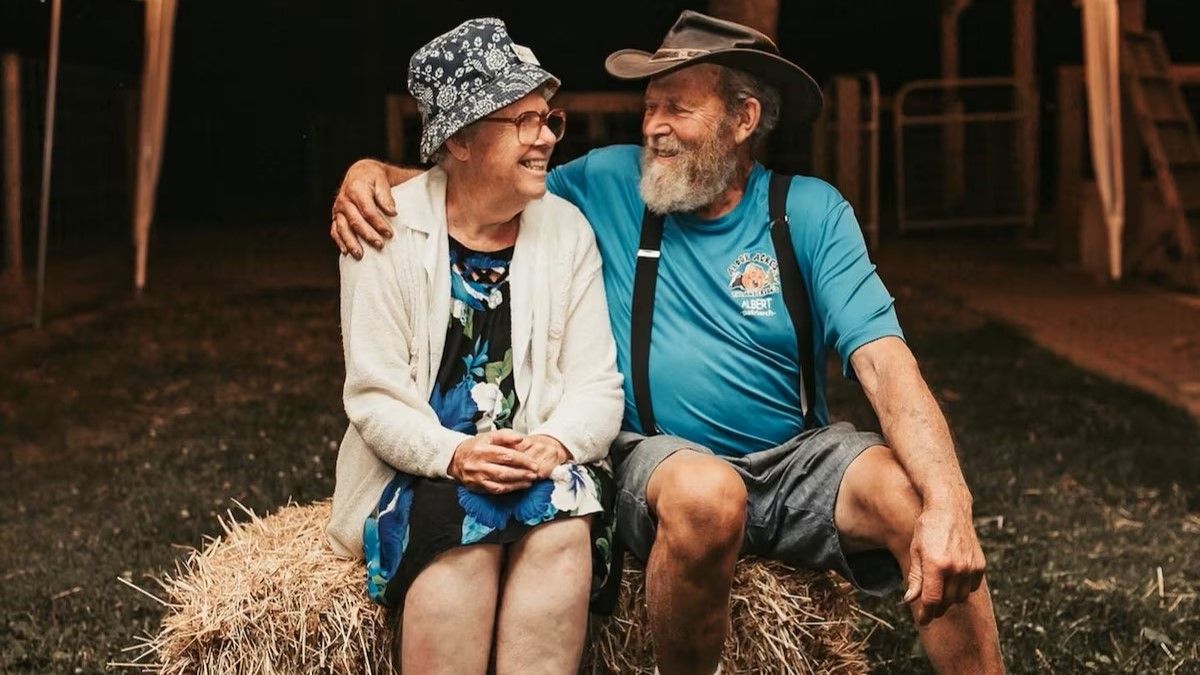
As the urban sprawl of Vancouver, B.C., and nearby Langley pushes land prices higher, Aldor Acres Family Farm’s decision to keep the farm in the family for another generation makes it an anomaly. However, the next generation to run the popular agri-tourist destination inherits the challenge of preserving the farm’s values while their way of life declines around them.
“When I grew up in this area, 2 per cent of my high school class was non-agricultural,” says Albert Anderson, 82, who bought the Glen Valley farmland alongside his wife, Dorothy, 81, in 1977. “Now it’s the other way around; maybe 2 per cent of the people in this area are connected with agriculture.”
Over the years, the Andersons have turned those 80 acres of land near Fort Langley into a destination with a pumpkin patch, seasonal market, wagon rides, and farm animals, emphasizing an educational experience for visitors. During the October high season, Aldor Acres can have 4,000 visitors in a day. The Andersons are in the process of transferring the farm business to their granddaughter, Melissa Anderson, 37.
Across Canada, family farms are facing a similar transition. Data from RBC found that by 2033, 40 per cent of farm operators will retire, one of the biggest labour and leadership transitions in Canada’s history. The next generation to take over the farm will face the allure of rising land values.
For many multi-generational farms, the strategy is to wait for the city’s expansion, says Elaine Froese, a Manitoba-based family farm transition expert.
“I’ve worked all over Canada, (some family farms) are sitting on $20-million worth of land, and they’re very clear that they’re keeping the hog line going until that little village or town encroaches on them and then they’re selling out to developers,” she says. “That’s the reality.”