
An Age Old Debate
Mortgage Architects • December 13, 2019
Just about anytime two people of different generations discuss entering the real estate market, the question arises: Who had it easier trying to get into the housing market?

Often the younger of the two will claim that there is no struggle greater than the one they currently face, while the older will tell their younger tales of sacrifice and struggle of their own to enter the market.
A recent report from Stats Canada came up with some interesting findings.
For starters, the study found that, on average, incomes have in fact been rising for certain age brackets. Those between the ages of 25 and 34 in 1999 earned on average $51,000 annually compared to $66,500 in 2016.
The study found that in 2016 the 25-34 group also had a higher net worth then their 1999 counterparts in 1999; $154,000 up from $76,700 17 years earlier, suggesting today’s youngsters are not just earning more, but they are saving the extra more aggressively than ever as well.
On the flip side, there is greater debt being carried today, most often in the form of leased vehicles.
The study also found that the new home buyer today is taking on larger mortgages than previous generations, but that is common sense given the higher pricing of properties today. The median mortgage debt on the principal residences of an individual aged 30 -34 in 2016 was $218,000 compared to $117,500 in 1999.
A key point: the study found that those aged 25-34 are entering the housing market at similar rates as previous generations of the same age.
So, who can claim the biggest hardship to getting into market? That would depend on how you want to spin the facts. Instead, maybe the key is in realising that getting into the market always takes sacrifice of some kind, and every generation has to sacrifice in some way to make their home ownership dreams come true.
There have been a number of market factors and challenges each generation has had to face. Consider late boomers trying to get into the housing market with interest rates at nearly 20 per cent in the early 80s, or the recession and economic malaise of the 1990s, the sharp spike in prices from 2012-2016.
At the end of the day, and this study proves it, young people in every generation have found a way to look past the challenges and fulfill the dream of homeownership. And if you’re a young person ready to buy or soon to be, a mortgage broker is your best resource to help get you there.

Fun fact: baby cheetahs are coloured like this to resemble a honey badger so predators are less likely to attack them. Check out LAPS for adoptables 😀 📣“Patience is not passive; it is concentrated strength.” - Bruce Lee

Join us on Family Day to explore a special display of objects and artifacts highlighting Langley’s rich history and take part in hands-on learning activities. 👉 Read More Here
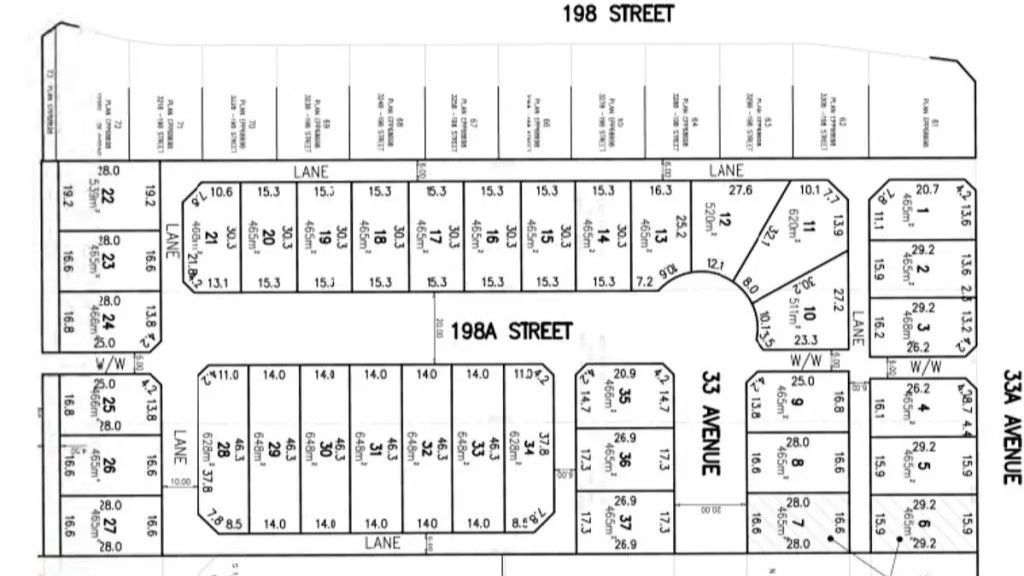
Langley Township council gave preliminary approval to a new development in Brookswood, but it’s unclear exactly how many homes will be built there. 👉Full Details Here